
Soft tissue injuries are among the most common health issues affecting people of all ages. These injuries involve damage to muscles, ligaments, and tendons, which play a vital role in movement and stability. Whether caused by sports, daily activities, or accidental falls, such injuries can significantly impact a person’s quality of life.
The reason soft tissue injuries are so common is that these tissues are constantly in use. Activities like walking, lifting, running, or even sitting for long hours can strain them. Athletes and physically active individuals are particularly at risk, but even sedentary individuals can experience problems due to poor posture or sudden movements.
Early care and proper treatment are essential. Ignoring symptoms may lead to complications, longer healing periods, and chronic pain. Understanding the basics of soft tissue injuries can help in faster recovery and prevention.
What is a Soft Tissue Injury?
A soft tissue injury refers to any damage affecting the body’s soft structures, including muscles, ligaments, and tendons. These tissues support joints, enable movement, and absorb shock during physical activities.
Muscles are responsible for movement, ligaments connect bones and stabilize joints, and tendons attach muscles to bones. When any of these components are overstretched, torn, or bruised, it results in soft tissue injuries.
Minor injuries may involve slight stretching or microscopic tears, while severe cases can include complete ruptures or significant inflammation. Recognizing the difference between mild and severe conditions is crucial for proper treatment.
Types of Soft Tissue Injuries
There are several types of soft tissue injuries, each affecting different structures:
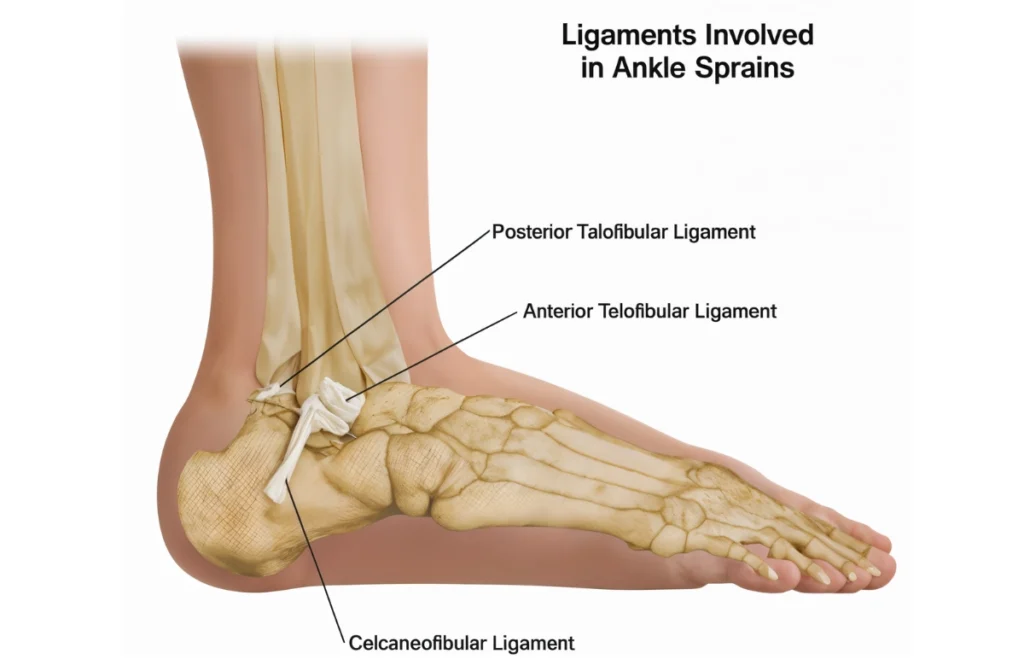
- Sprains (Ligament Injuries): Sprains occur when ligaments, which connect bones to each other, are stretched or torn due to sudden twisting or impact. They commonly affect joints like the ankle, wrist, or knee. Symptoms include pain, swelling, and difficulty moving the joint. Severe sprains may cause joint instability and require medical attention.
- Strains (Muscle/Tendon Injuries): Strains involve damage to muscles or tendons, often caused by overuse, heavy lifting, or sudden movements. These injuries can range from mild overstretching to complete tears. Common signs include muscle pain, weakness, and limited flexibility. Proper rest and rehabilitation are important for recovery.
- Contusions (Bruises): Contusions are caused by a direct blow or impact that damages small blood vessels under the skin. This leads to discoloration, swelling, and tenderness in the affected area. While most bruises heal on their own, deeper contusions may require medical care. Applying ice early can help reduce swelling.
- Tendinitis & Bursitis: Tendinitis is the inflammation of tendons, while bursitis involves inflammation of fluid-filled sacs that cushion joints. These conditions are usually caused by repetitive movements or overuse. They result in pain, swelling, and restricted movement. Early treatment helps prevent chronic issues.
- Acute vs Chronic Injuries: Acute injuries occur suddenly due to trauma, such as a fall or twist, causing immediate pain and swelling. Chronic injuries develop gradually over time due to repetitive stress or overuse. They often start with mild discomfort but can worsen if untreated. Identifying the type helps in choosing the right treatment approach.
Injuries can also be classified as acute or chronic. Acute injuries occur suddenly, while chronic injuries develop over time due to repetitive stress. Conditions like soft tissue damage may start mild but worsen if ignored. Similarly, repetitive strain can lead to long-term soft tissue damage requiring medical attention.
Symptoms of Soft Tissue Injuries
The symptoms of soft tissue injuries vary depending on severity and location but generally include:
- Pain and Tenderness: Pain is usually the first sign and may range from mild discomfort to severe aching. The affected area may feel tender when touched or during movement. This symptom often worsens with activity.
- Swelling and Inflammation: Swelling occurs as the body responds to injury by sending fluids to the affected area. This can cause visible puffiness and a feeling of tightness. Inflammation may also lead to warmth around the injury site.
- Bruising or Discoloration: Bruising happens when small blood vessels are damaged under the skin. The area may turn blue, purple, or yellow over time. This is common in injuries caused by direct impact.
- Limited Movement or Stiffness: Injured tissues can restrict normal movement, making it difficult to bend or stretch the affected area. Stiffness is especially noticeable after rest. It may improve slightly with gentle movement.
- Weakness in the Affected Area: Muscles or tendons may lose strength after injury, leading to reduced functionality. This can make it hard to perform daily activities or bear weight. Weakness may persist until proper healing and rehabilitation occur.
In cases like a knee soft tissue injury, symptoms may include difficulty walking, instability, or sharp pain during movement. Early recognition of symptoms helps in faster healing and reduces complications.
Causes of Soft Tissue Injuries
Several factors contribute to the occurrence of soft tissue injuries:
- Acute Trauma: Sudden incidents such as falls, collisions, or twists can cause immediate injury.
- Overuse Injuries: Repetitive motions, especially in sports or physically demanding jobs, can strain tissues over time.
- Direct Blows: Impacts during accidents or sports activities often result in bruises or contusions.
- Improper Techniques or Equipment: Using incorrect posture or faulty equipment increases injury risk.
- Lack of Warm-up: Skipping warm-up exercises reduces flexibility and makes tissues more prone to injury.
- Environmental Factors: Slippery surfaces, uneven terrain, or poor lighting conditions can lead to accidents.
Risk Factors
Certain conditions increase the likelihood of developing soft tissue injuries:
- Previous Injury History: Individuals who have had injuries in the past are more likely to experience them again. Previously damaged tissues may be weaker and less flexible. Proper rehabilitation is important to reduce recurrence.
- Overuse and Repetitive Motion: Performing the same movement repeatedly can strain muscles and tendons over time. This is common in athletes and people with physically demanding jobs. Without adequate rest, it can lead to chronic injury.
- Improper Technique and Conditioning: Using incorrect form during exercise or physical activity increases stress on soft tissues. Lack of proper conditioning also makes the body more vulnerable. Training with correct techniques helps reduce injury risk.
- Poor Biomechanics & Musculoskeletal Factors: Abnormal posture, joint alignment, or muscle imbalances can place extra strain on certain body parts. Over time, this increases the likelihood of injury. Addressing these issues improves overall movement efficiency.
- Environmental Factors: Uneven surfaces, slippery floors, or poor lighting conditions can increase the risk of accidents. External surroundings play a significant role in injury occurrence. Being cautious in such environments is essential.
- Physical Factors: Age, obesity, and low fitness levels can weaken muscles and joints. Reduced flexibility and strength make tissues more prone to damage. Maintaining good physical health lowers the risk.
- Equipment Issues: Using worn-out or improper equipment can lead to poor support and alignment. This increases stress on muscles and ligaments during activity. Choosing the right gear is crucial for injury prevention.
Understanding these risk factors is essential for those looking into how to prevent soft tissue injuries effectively. Addressing these issues can significantly reduce recurrence and improve overall physical health. Learning how to prevent soft tissue injuries also involves awareness and consistent preventive practices.
First Aid & Home Care
Immediate care plays a crucial role in recovery from soft tissue injuries. The R.I.C.E method is widely recommended:
- Rest: Avoid activities that may worsen the injury
- Ice: Apply ice packs to reduce swelling and pain
- Compression: Use bandages to minimize swelling
- Elevation: Keep the injured area raised above heart level
Pain relief methods such as over-the-counter medications can help manage discomfort. In many mild cases, home care is sufficient. However, proper care is essential to ensure a smooth soft tissue injury recovery time and prevent complications. Monitoring the soft tissue injury recovery time helps determine whether medical intervention is needed.

Possible Complications
If left untreated, soft tissue injuries can lead to several complications:
- Chronic Pain and Inflammation: Untreated injuries can lead to long-lasting pain and persistent swelling. This ongoing inflammation may interfere with daily activities and reduce quality of life. Early treatment helps prevent chronic discomfort.
- Reduced Mobility and Stiffness: Injured tissues may lose flexibility over time, making movement difficult. Stiffness can worsen, especially after periods of rest. This can limit normal joint function if not addressed.
- Joint Instability: Damage to ligaments or supporting structures can weaken joint stability. This increases the risk of further injury and affects balance and coordination. Proper rehabilitation is essential to restore stability.
- Recurrence of Injury: If an injury is not fully healed, it is more likely to happen again. Repeated injuries can worsen the condition and prolong recovery. Strengthening and proper care reduce recurrence risk.
- Contracture (Permanent Tightening of Tissues): Scar tissue formation can cause muscles or tendons to shorten and tighten permanently. This restricts normal movement and may lead to deformity. Early intervention helps prevent this complication.
- Musculoskeletal Changes: Chronic injuries can alter the way the body moves and functions. This may lead to imbalances in muscles and joints. Over time, it can affect posture and overall mobility.
- Heterotopic Ossification (Abnormal Bone Growth in Soft Tissues): In rare cases, bone may form within soft tissues after an injury. This can cause pain, stiffness, and reduced movement. Medical evaluation is necessary for proper management.
Conditions such as a knee soft tissue injury may worsen over time if ignored, leading to long-term joint issues. Proper and timely soft tissue knee injury treatment is essential to avoid these complications. Inadequate soft tissue knee injury treatment can result in prolonged discomfort and reduced function.
When to See a Doctor
Medical attention is necessary in the following situations:
- Severe Pain or Swelling: Intense pain or significant swelling may indicate a serious injury. It could be a sign of a deep tissue tear or internal damage. Immediate medical evaluation is recommended in such cases.
- Inability to Move the Joint: If you are unable to move the affected joint or bear weight, it may suggest a severe injury. This could involve ligament damage or joint instability. Prompt medical attention is necessary to prevent further complications.
- Symptoms Persisting Beyond a Few Days: Mild injuries usually improve within a few days with rest and care. If pain, swelling, or stiffness continues, it may indicate a more serious issue. A doctor can assess and recommend appropriate treatment.
- Suspected Tear, Rupture, or Fracture: A sudden “pop” sound, severe pain, or visible deformity may signal a tear or fracture. These conditions require immediate medical diagnosis and treatment. Delaying care can worsen the injury.
Seeking timely help ensures accurate diagnosis and appropriate soft tissue injuries management.
Diagnosis
Diagnosing soft tissue injuries involves a combination of methods:
- Physical Examination: Assessing pain, swelling, and range of motion
- Imaging Tests: X-rays (to rule out fractures), MRI, or ultrasound for detailed evaluation
- Severity Assessment: Determining whether the injury is mild, moderate, or severe
Accurate diagnosis helps guide effective treatment and recovery planning.
Treatment Options
Treatment for soft tissue injuries depends on the severity:
- Medications: Pain relievers and anti-inflammatory drugs help manage symptoms.
- Physiotherapy and Rehabilitation: Exercises improve strength, flexibility, and mobility.
- Immobilization: Braces, splints, or supports may be used to stabilize the injured area.
- Advanced Treatments: In severe cases, injections or surgical intervention may be required.
For specific conditions like ligament tears or soft tissue knee injury treatment, a structured rehabilitation plan is essential for full recovery.
Prevention Tips
Preventing soft tissue injuries is always better than treating them. Key preventive measures include:
- Proper warm-up and stretching before activities
- Regular strength training and flexibility exercises
- Using correct techniques during sports or physical tasks
- Maintaining a healthy weight and lifestyle
- Wearing appropriate footwear and protective gear
Incorporating these habits not only reduces injury risk but also supports long-term musculoskeletal health.
Conclusion
Soft tissue injuries are a common yet manageable health concern. Early recognition, proper care, and timely treatment play a crucial role in ensuring a smooth recovery. Ignoring symptoms can lead to complications and prolonged discomfort.
By understanding causes, symptoms, and preventive measures, individuals can take proactive steps to protect their musculoskeletal health. Whether it’s adopting better habits or seeking professional care, recovery is entirely achievable with the right approach.
Read also Limb Lengthening Surgery in Chennai.


